Real-World Review: In My Cochlear Implant Surgery Era Retro
As a designer who spends more time than I care to admit in front of embroidery machines, testing file integrity and stitch density on everything from heavy denim to delicate baby muslin, I approach every new download with a mix of excitement and skepticism. The digital marketplace is flooded with graphics, but few are actually ready for the rigors of real-world stitching. Recently, I pulled up In My Cochlear Implant Surgery Era Retro to see if it would hold up under the needle or if it was just another pretty picture destined to fail in production.
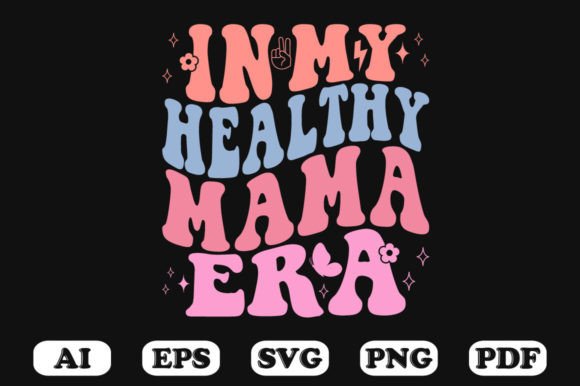
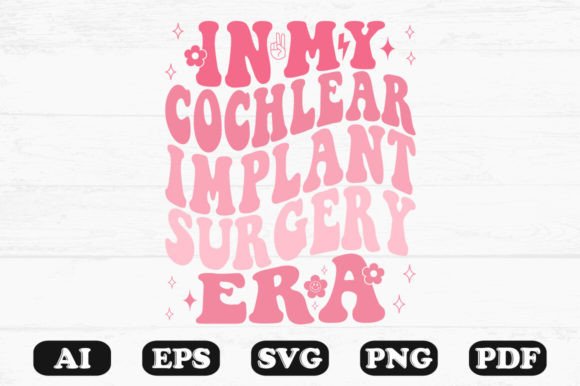
The first impression of In My Cochlear Implant Surgery Era Retro is one of warmth and nostalgia. It isn't trying to be the loudest design on the rack; instead, it leans into that comforting, vintage wavy aesthetic that has become a staple in modern craft culture. The typography feels organic rather than rigid, which immediately suggests versatility. When you look at the layout, it screams "handmade." It doesn't feel like a mass-produced corporate asset. For anyone running a small shop or selling on Etsy, this kind of visual personality is gold because it resonates with customers looking for something personal and authentic.
From Digital File to Finished Product: A Real Scenario
To truly judge a design, you have to imagine it on a physical object. Let's say I am preparing a custom order for a client who wants a heartfelt gift for a friend celebrating their journey with hearing health. They want a sweatshirt, but they don't want anything too clinical or medical. That is where In My Cochlear Implant Surgery Era Retro shines.
I loaded the file into my digitizing software and placed it on a mockup of a heather grey crewneck sweatshirt. The retro wave lines create a natural frame around the text, giving the piece a balanced composition. Unlike some blocky designs that can look stiff when stitched, the wavy elements here allow for fluid movement in the thread work. If I were to use a satin stitch for the lettering and a fill stitch for the background waves, the texture would pop against the soft fleece of the garment.
This design also translates beautifully to other products. Imagine In My Cochlear Implant Surgery Era Retro embroidered on a canvas tote bag. The sturdy fabric provides the perfect anchor for the design, making it durable enough for daily use while still serving as a conversation starter. For a baby item, like a onesie or a blanket, the softer curves avoid the harshness of sharp angles, making it a safe and tender choice for a nursery gift. Even on a kitchen towel, the vintage vibe fits perfectly alongside other farmhouse-style decor.
Navigating Stitch Density and Fabric Texture
However, not every project is a success story, and a professional review must acknowledge the limitations. In My Cochlear Implant Surgery Era Retro relies heavily on its textural quality. If you are working with thin, stretchy fabrics like lightweight jersey t-shirts without proper stabilization, the wavy lines might pucker or distort during the stitching process. This is a critical consideration for apparel decorators who need to maintain crisp edges on finished products.
When dealing with dark fabrics, the contrast becomes the primary challenge. If the original file does not include a contrasting underlay or if the thread colors chosen are too similar to the base material, the retro wave effect could get lost. I strongly recommend testing thread color combinations before committing to a bulk run. Using a high-contrast bobbin thread or a light-colored top thread on a dark background can make the wavy details sing, whereas a monochromatic scheme might flatten the image.
Another area requiring caution is small hoop sizes. While the design is versatile, the fine details within the wavy lines and the spacing between letters require adequate space to breathe. Trying to cram In My Cochlear Implant Surgery Era Retro into a tiny 4x4 inch hoop often results in crowded stitching, where individual stitches merge together and lose definition. For smaller items like caps or patches, you may need to resize the design significantly, which risks blurring the text or simplifying the waves too much. Always inspect the design in your machine's preview mode to ensure the stitch density remains manageable.
Practical Notes for the Embroidery Designer
If you are planning to incorporate In My Cochlear Implant Surgery Era Retro into your commercial embroidery projects or handmade product line, there are several technical steps you should take to ensure a professional result. First and foremost, always test the design on scrap fabric that matches the weight and texture of your final product. This simple step can save you hours of rework and wasted materials.
- Check Your Stabilizer: Because of the wavy nature of the design, a cut-away stabilizer is often safer than a tear-away, especially for stretchy fabrics. This prevents the design from shifting or distorting over time.
- Review Stitch Density: Look closely at how the fill stitches interact with the satin stitch text. If the density is too high, the fabric will bunch up; if it is too low, the coverage will be patchy. Adjust the settings in your digitizing software if necessary.
- Test Color Contrast: Create black and white mockups of the design to see how the shapes read without color. This helps identify any potential issues with legibility before you spend money on thread.
- Verify Licensing: Before selling finished items or offering the digital file as part of a bundle, confirm the licensing terms. Ensure you have the right to use In My Cochlear Implant Surgery Era Retro for commercial purposes and understand any restrictions on the number of units you can produce.
For those selling on platforms like Etsy or attending craft fairs, the presentation matters just as much as the stitching. A well-executed version of In My Cochlear Implant Surgery Era Retro on a high-quality apron or pillow cover signals professionalism and attention to detail. Customers can visually appreciate the quality of the work, which builds trust in your brand and encourages repeat business.
Final Thoughts on Design Utility
In My Cochlear Implant Surgery Era Retro is more than just a graphic; it is a tool for storytelling. Whether you are creating a personalized gift for a loved one or building a line of boutique merchandise, this design offers a unique blend of style and sentiment. It works particularly well for projects that need to feel warm, inviting, and slightly nostalgic.
While it requires careful attention to fabric choice, stabilization, and hoop size, the payoff is a finished product that looks polished and intentional. The wavy lines add a dynamic element that flat text lacks, making it stand out on sweatshirts, tote bags, and home decor alike. As long as you respect the technical requirements of machine embroidery and plan your project carefully, In My Cochlear Implant Surgery Era Retro is a valuable addition to any designer's arsenal of graphics and crafts assets.
Ultimately, the success of an embroidery project comes down to the execution. By taking the time to test, adjust, and refine, you can transform this digital file into a tangible piece of art that brings joy to the recipient. For the creative entrepreneur, this design represents a solid opportunity to create meaningful, high-value items that resonate with a specific audience seeking connection and authenticity.