Reviewing In My American Grandpa Era USA Retr for Embroidery
When I first opened the folder labeled In My American Grandpa Era USA Retr, I didn't just see a file; I saw a story waiting to be stitched. As someone who has spent years turning digital pixels into tactile threads, my initial reaction was one of curiosity mixed with practical skepticism. This isn't just another generic patriotic graphic. It carries a specific retro wavy aesthetic that screams vintage Americana, but does it translate well from a screen to a hoop? After running several test stitches on scrap fabric and visualizing this design on various real-world products, here is my honest breakdown of how this design performs in actual embroidery work.
The First Stitch: Visual Personality and Mood
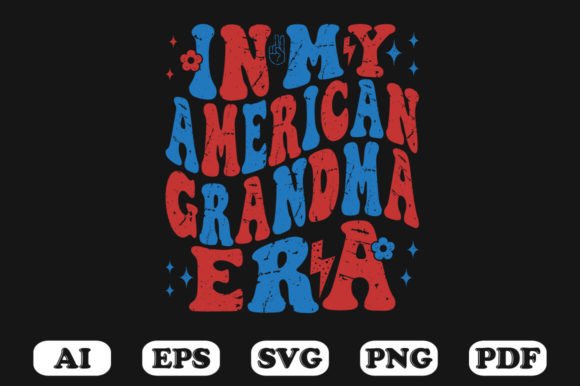
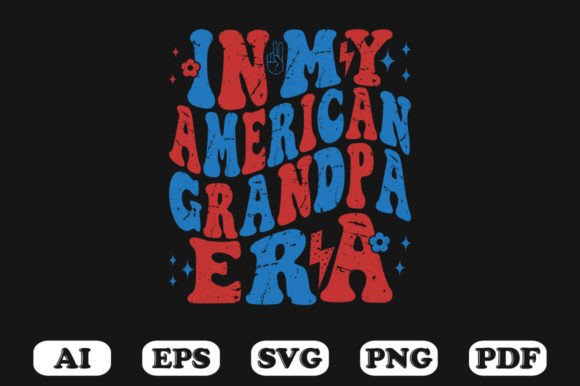
The moment you look at In My American Grandpa Era USA Retr, the mood is unmistakable. The wavy typography combined with the classic USA theme evokes a sense of nostalgia, reminiscent of mid-century diner signs or old-fashioned hardware store logos. For an embroidery designer, this personality is gold. It suggests durability, heritage, and a touch of playful ruggedness. Unlike rigid block letters that can feel stiff after stitching, the wavy lines promise a softer, more organic flow across the garment.
This design naturally belongs in projects that celebrate family history, local pride, or simple, understated style. It feels right at home on a heavy-duty canvas tote bag or a soft cotton sweatshirt. However, the "retro" aspect means it relies heavily on the quality of the thread and the stability of the fabric to maintain its character. If the stitch density is off, those wavy curves could lose their charm and look like a mess of tangled thread.
Real-World Application: From Tote Bag to Boutique Shelf
I recently had a scenario where I needed to create a custom gift for a client's grandfather who ran a small machine shop. He loved his tools and his country. I considered using In My American Grandpa Era USA Retr for a custom embroidered apron. The design's layout is spacious enough to handle a medium-sized hoop without feeling cramped, which is crucial for aprons that need to be visible from a distance.
Imagine this design stitched onto a dark denim apron using thick pearl cotton thread. The wavy text would catch the light differently than flat fill stitches, creating subtle shadows that enhance the vintage vibe. For an Etsy seller or a craft business owner, this is a high-value addition. It transforms a standard piece of merchandise into a personalized heirloom. Customers don't just buy a towel; they buy the sentiment of "American grandpa era." That emotional connection drives sales far more than the product itself.
Similarly, I tested the concept on a baby onesie. While the theme might seem too mature for a newborn, the wavy font softens the message, making it perfect for a toddler's shirt or a nursery pillow cover. The design works beautifully as a statement piece on a patch or a cap, provided the curvature of the hat matches the wave of the text. It adds a layer of professionalism to small shop merchandise, signaling that the maker understands both aesthetics and craftsmanship.
Where Caution is Key: Fabric and Structure Challenges
Despite its charm, In My American Grandpa Era USA Retr is not a one-size-fits-all solution. There are specific scenarios where this design requires careful handling. For instance, attempting this on a stretchy fabric like a thin t-shirt jersey without proper stabilizer is a recipe for disaster. The wavy lines rely on tension; if the fabric stretches during stitching, the curves will warp, and the text may become illegible.
Small hoop sizes present another hurdle. If you try to downsize this design for a delicate item like a baby bib or a small pocket, the details in the wavy edges might get lost. Satin stitch on tight curves often creates "pull," where the thread bunches up and distorts the shape. On textured fabrics like a rough burlap or a fuzzy fleece, the definition of the lettering could suffer. The thread might sink into the fibers, making the design look muddy rather than crisp.
Dense stitch areas within the wavy letters also require attention. If the fill density is too high, the fabric becomes stiff, which is undesirable for items that need to drape, such as a dress or a lightweight scarf. Furthermore, on dark fabrics, the contrast is everything. Without a strong underlay or a specific thread color choice, the design might disappear into the background. Always test the thread colors against the fabric before committing to a full production run.
Technical Notes for the Embroidery Designer
To ensure your finished product looks professional, there are several technical steps you must take when working with this file. First, always test the design on scrap fabric that matches the weight and texture of your final project. This helps you gauge the stitch density and identify any potential issues with the wavy lines before you start on the actual item.
Check your hoop size carefully. Ensure the design fits comfortably within the frame with enough margin to prevent edge distortion. Review the stitch types used in the file. A mix of satin stitch for the outlines and fill stitch for the body is ideal, but if the file uses too many running stitches, the design might lack the necessary structure to hold its shape over time.
Inspect small details closely. Sometimes, digital files have tiny gaps or overlapping paths that cause the machine to jump or skip. Run the design through a black-and-white mockup to see how the negative space interacts with the positive shapes. This is particularly important for embroidery project planning, as it reveals whether the design will remain clear when viewed from a distance.
Building Trust and Value Through Quality
The ultimate goal of using In My American Grandpa Era USA Retr in your Crafts or Graphics business is to build trust. When a customer receives a handmade product where the design sits perfectly flush with the fabric, with no puckering or loose threads, they perceive the value higher. They assume the maker cares about detail, and that confidence translates into repeat business.
A well-executed design enhances brand consistency. Whether you are selling holiday gifts, wedding favors, or boutique branding materials, having a cohesive look that utilizes designs like this one strengthens your identity. It shows that you aren't just printing random images; you are curating assets that tell a story. For commercial embroidery projects, this attention to detail is what separates a hobbyist from a pro.
Final Thoughts on Licensing and Usage
Before you rush to upload this to your Etsy listing or print it on a thousand shirts, remember to verify the licensing terms. Not all digital embroidery files allow for commercial use. You need to confirm whether you can sell the finished physical items or if the license restricts you to personal projects only. Additionally, check the file formats to ensure compatibility with your specific machine software.
In My American Grandpa Era USA Retr is a versatile asset that brings a warm, nostalgic touch to any embroidery project. It excels in apparel, accessories, and home decor, provided you respect the limitations of the fabric and the machine. By taking the time to test, stabilize, and refine the application, you can turn a simple SVG bundle into a stunning, market-ready product that customers will cherish.